It’s one of the most common questions I get: “If regenerative lawn care is so much better, why isn’t every company doing it?”
After 45 years in this business — starting conventionally in 1981 and going 100% regenerative in 2015 — I can give you the straight answer.
The market is enormous. Gardening is now a hobby for roughly 55% of U.S. households (over 71 million people), and golf just hit a record 47.2 million participants in North America. That’s millions of small suburban yards where the lawn isn’t just grass — it’s an extension of the homeowner’s pride, image, and ego. People want the perfect green they can see from the street and show off to the neighbours.
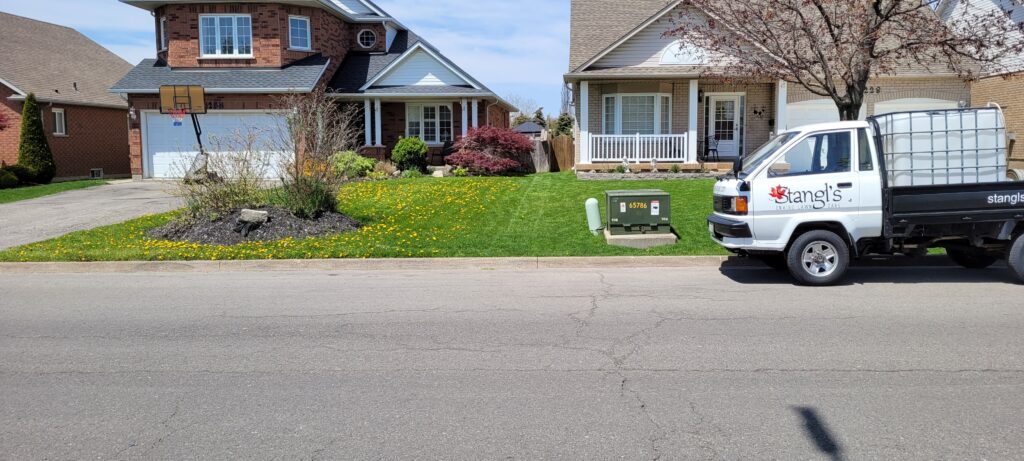
Conventional companies deliver exactly that — fast, dark-green results with quick-release fertilizers and targeted sprays. When weeds or insects appear, the fix is simple: spray more. It’s easy. It’s familiar. And it creates reliable, recurring revenue year after year.
This system isn’t “wrong.” It works — at least in the short term. When a problem pops up, companies (and homeowners) know exactly what to do because they’ve done it for decades. It feels safe and comfortable.
But here’s what the conventional system still doesn’t fully understand
Plants don’t actually “eat” fertilizer the way the bags claim.
Plants farm biology.
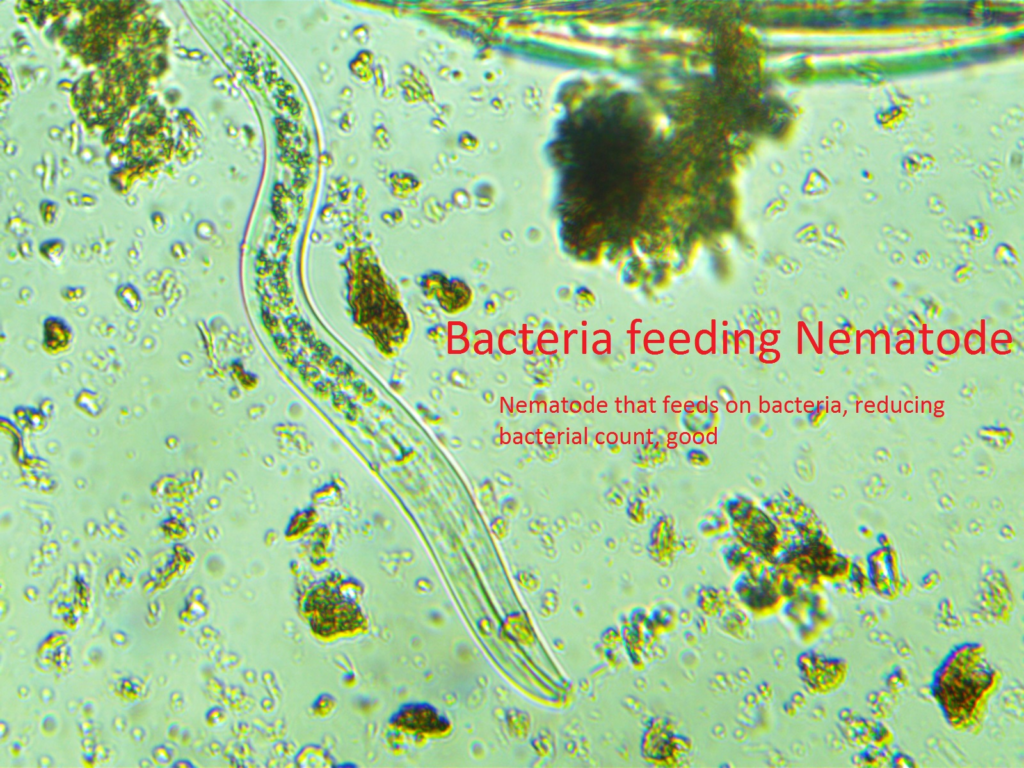
Through the rhizophagy cycle, roots release sugars to attract microbes, literally consume them for nutrients, and cycle them back. When the soil is alive with the right balance of bacteria, fungi, protozoa, nematodes and other life, the lawn can feed itself. It develops deeper roots, holds more water, and naturally resists pests and disease.
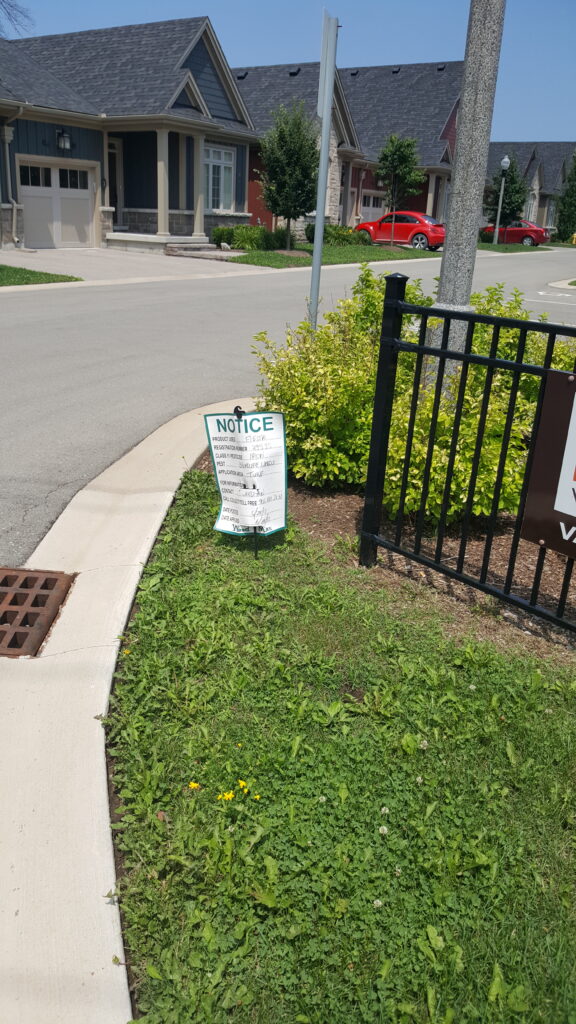
Conventional companies often don’t know what to use when it comes to real biology. They simply buy a bag of fertilizer and a jug of weed killer and call it done. That’s why I’m here — to bring the real science, the testing, and the living-soil approach that actually works long-term.
Conventional programs often create the opposite: bacterial-dominated, compacted “dirt on life support.” That’s why they need constant inputs and sprays to keep the lawn looking good.
Regenerative isn’t more complicated — it just requires “schooling up” and trusting the biology instead of the bag.
The Real ROI — For the Company and the Customer
Here’s what many companies still don’t see: regenerative actually offers better long-term ROI for the business.
With regenerative, we apply one consistent monthly application per home — that’s it. No extra upsells, no emergency visits, no free “fixes” for complaints.
The company moves away from constantly selling bags and sprays (plus all the complaint-driven site visits and give-aways) toward building long-term clients who need dramatically fewer interventions over time. Margins improve because inputs shift from expensive chemicals to sustainable biology (Nature’s Brew, PUC, and SRC). Complaints drop, unnecessary truck rolls disappear, and the business becomes more predictable and profitable.
For the customer, the gains are even greater: deeper roots, thicker turf, almost zero insect and disease pressure, dramatically reduced water use, and a lawn that becomes stronger and more resilient every season instead of more dependent.
The Honest Truth About Transition
Switching isn’t always instant or easy.
Most established yards have years of compaction and chemical legacy. Some seed is often required in the beginning. During the early months, some companies still use light fertilizer or spot sprays while the biology wakes up.
However, every chemical application carries real costs:
- It damages the soil biology, which then needs to be rebuilt immediately with strong biological applications
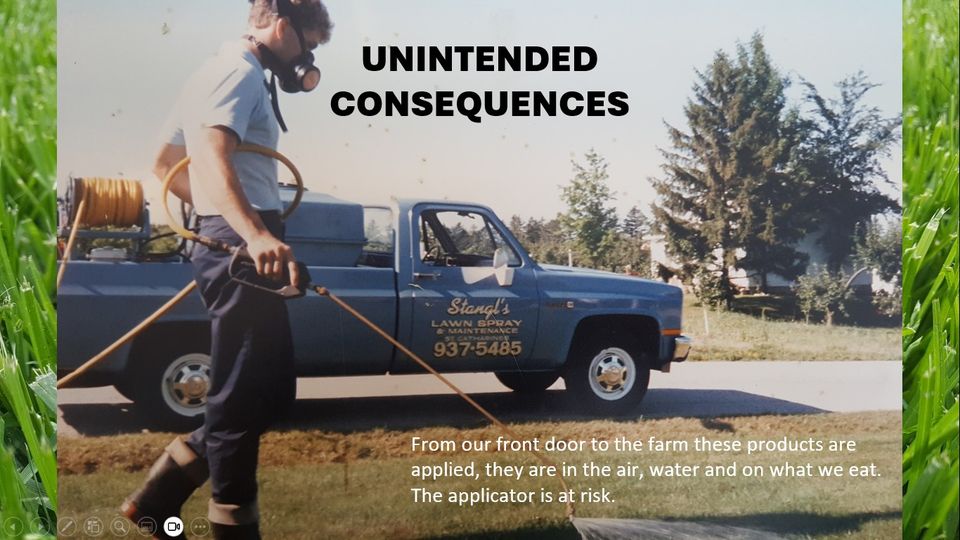
- It exposes the applicator to long-term health risks
That’s why I always recommend that anyone who must spray takes Milk Thistle daily to support liver detoxification.
My Personal Stance
I’ll be honest with you.
I lived the chemical side for decades. It destroyed my health. I will never spray or apply synthetic fertilizer just to satisfy someone’s ego for a picture-perfect lawn. If that’s truly what a customer wants, I’ll respectfully refer them to a conventional company that’s happy to do it for the money.
Why Change Is Slow
The numbers game favors the old way. Small suburban yards (1,000–5,000 sq ft) are everywhere. Homeowners see their lawn as an extension of themselves. They want quick, visible results. Re-educating customers who expect instant perfection is hard work. If expectations aren’t met (even if unrealistic), they often bounce to the next company offering the same old approach.
It’s easier to keep selling what people already know and want.
The Opportunity
But the tide is turning.
More people are starting to understand that a truly healthy lawn isn’t about how green it looks in June — it’s about how alive the soil is underneath.
At Stangl’s Enviro Lawn Care, we’ve been proving this since 2015. We measure everything — microscopy (biomass ratios + epifluorescence), EC meter, penetrometer, and brix — on home lawns, commercial properties, sports fields, vineyards, and more.
If you’re tired of the treadmill and ready to school up on real soil health, we’re here.
DM me or visit stangls.com. Let’s talk about what your lawn can actually become when we stop feeding it — and start feeding the life in the soil.
Rooted in real health,
Unlocking Soil Wealth
Michael Stangl
Stangl’s Enviro Lawn Care
stangls.com