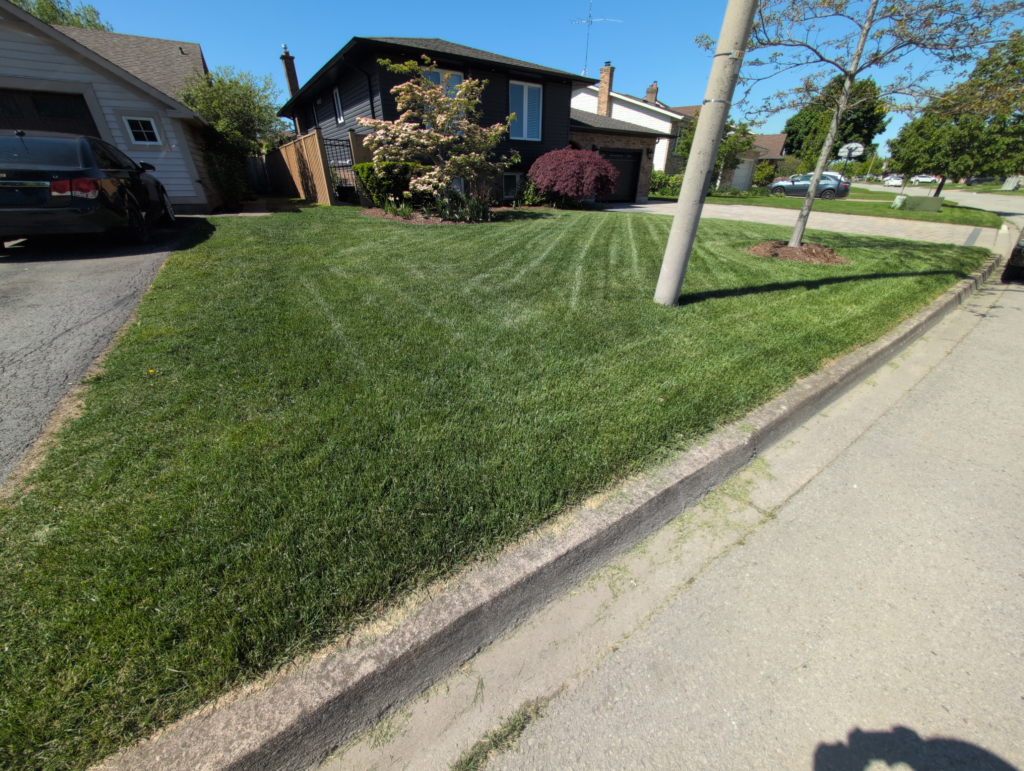
Hey folks, Michael Stangl here from Stangl’s Enviro Lawn Care in St. Catharines, Ontario. With over 45 years in the trenches, I’ve seen snow mold pop up like clockwork on many Niagara lawns after winter thaws—those matted, straw-colored patches that scream “fungal invasion.” But here’s the thing: At Stangl’s, we never get snow molds. In fact, last year, our clients had zero disease issues, no chinch bugs, sod webworms, weevils, grubs, or any of those pesky extras. No worry, no additional applications—just resilient turf that bounces back naturally. If you’re spotting those circular brown spots post-snow melt, let’s unpack why it happens and how to break the cycle. Spoiler: It’s not just winter’s fault; it’s the legacy of conventional inputs creating the perfect storm below the surface.
Snow mold (gray or pink varieties) develops under prolonged snow cover, where moisture and lack of air foster fungi like Typhula or Microdochium. But why do some lawns succumb while others shrug it off? It boils down to soil health—or the lack thereof. Conventional lawn care sets the stage for these issues through a few key problems:
- Lack of Diverse Biology: Healthy soil is a bustling ecosystem teeming with microbes, fungi, and bacteria that compete with pathogens, keep them in check. But years of chemical fertilizers and sprays wipe out this diversity, leaving a bacterial-dominated wasteland. Fungi like snow mold thrive in this imbalance because there’s no natural competition to keep them in check. At Stangl’s, our regenerative approach (validated with microscope assessments since 2015) builds fungal networks and microbial variety—think mycorrhizae partnering with roots to crowd out bad actors. Result? No mold, no blights, no rust.
- Compaction from the Start: Builders compact soil during construction (they know structures, but “dirt about soil”), turning it into concrete-like hardpan. Mowers, foot traffic, and salt-heavy fertilizers exacerbate it, blocking air, water, and root penetration. Under snow, this trapped moisture creates anaerobic conditions—prime for that pathogenic fungal growth. We’ve seen it: Compacted lawns hold water like a sponge gone wrong, leading to matted patches. Our solution? Nature’s Brew and remineralizers loosen structure, improving infiltration—our clients’ lawns drain better, recover faster, with zero mold even after heavy snow.
- Low Organic Matter (OM) and Carbon: Fertilizers push fast, green growth by depleting OM and carbon—the glue holding soil together, yet flocculates. Low OM means poor water retention and nutrient cycling, while depleted carbon starves beneficial microbes. End result? Weak turf that’s vulnerable to pathogenic fungi. Conventional inputs are the main culprit—they produce these outcomes by forcing “green” without building resilience. In contrast, our Pelletized Ultimate Compost and SRC boost OM/carbon (our tests show 20-30% gains over seasons), creating a carbon-rich buffer that insulates biology through winter. Last year? No diseases, no pests—turf stayed resiliently strong under snow.
These aren’t random; they’re the ripple effects of the “Mor-on Approach”—relying on salts and synthetics that kill life below while promising quick fixes. Niagara’s wet winters amplify it, but the real fix isn’t raking or waiting—it starts underground.
How to Prevent Snow Mold Naturally: Build Resilience from the Roots Up
Don’t panic over patches—lightly rake for air flow, avoid traffic on wet grass, and let sunlight do its thing. But for lasting prevention:
- Awaken Biology: Apply Nature’s Brew (our microbe elixir) in fall/spring to diversify life—fungi outcompete mold naturally.
- Ease Compaction: Use SRC remineralizer to rebuild structure; pair with aeration if needed, but our methods often make it unnecessary.
- Boost OM/Carbon: Pelletized Ultimate Compost adds organic power, holding moisture without sogginess.
Our clients? Zero worries—lawns emerge vibrant, no extras required. It’s not “woo-woo”; it’s science-backed (microscope data since 2015) and aligns with pioneers like Howard and Albrecht: Healthy soil prevents issues upstream.
Ready to ditch the mold cycle? Our approach isn’t for quick-fix fans—it’s for resilient, chemical-free landscapes. Visit stangls.com for a consult, or read more at https://www.stangls.com/blog/. Let’s turn your winter woes into spring wins—what’s plaguing your lawn? Share below!
Note: The first season with regenerative approaches like Nature’s Brew is often a transition period, much like heading to the gym after coming off life support—your landscape has been reliant on chemical crutches for so long that rebuilding strength takes time, patience, and consistent effort. You might see weeds temporarily worsen as soil biology rebalances, or slower initial greening compared to forced NPK pops, but this is nature awakening dormant microbes, loosening compaction, and fostering deeper roots for true resilience. Unrealistic expectations of overnight perfection can lead to frustration, but stick with it: By season two, you’ll notice fewer pests, no diseases, and a vibrant, self-sustaining yard that thrives without the “Mor-on Approach” the way nature inteneded. It’s a journey to lasting health—for your lawn and the planet.