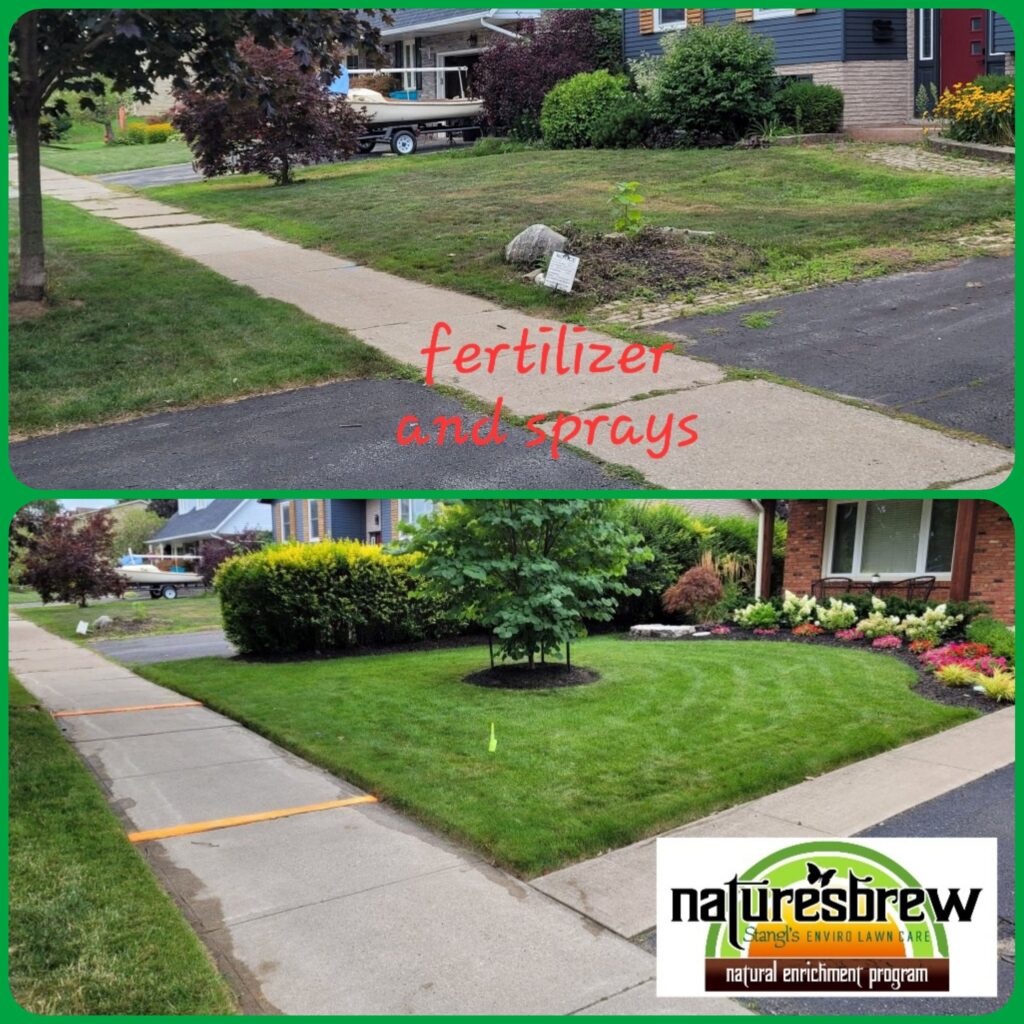
Start of the growing season.
From our front door to the farm, the conversation is the same every spring: “Time to fertilize.”
NPK is the norm. It has been for 186 years.
In 1840, Justus von Liebig gave the world the foundation of modern fertilizer. It was revolutionary then. It promised bigger yields and greener lawns. And it delivered — for a while.
Fast-forward to 2026.
We still reach for the same bags and jugs every spring.
I get it. I was there. I started conventionally in 1981. I wanted the edge. I wanted the perfect green. I wanted to do my best.
But “best” has evolved.
Keeping It Simply Simpler (KISS) doesn’t mean doing what we’ve always done. It means using every tool we have — without making it complicated — so nature can do what she does best.
The First Tool I Reach For: The Penetrometer
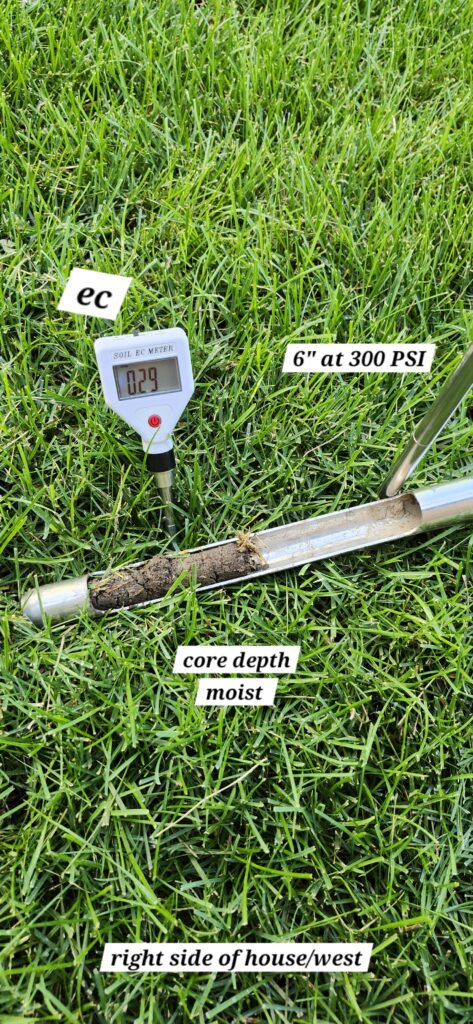
Before I ever think about applying our Nature’s Brew (and I never use synthetic NPK), I check compaction — and I hand the penetrometer to the customer so they can feel it themselves.
- Under 150–200 PSI = healthy soil that can breathe. Air and water move freely.
- Over 200 PSI = the soil is tight. Air and water can’t move. Roots struggle.
Compaction doesn’t just happen. It’s caused by:
- Excessive tillage on farms
- Heavy equipment and construction on home sites
- Year after year of synthetic NPK and spray programs that kill soil life and collapse the structure
Here’s why carbon levels drop so fast: Bacteria operate at a 5:1 carbon-to-nitrogen ratio. Every time you push fast-growing grass with NPK, you’re forcing the microbes to burn through your soil’s carbon reserves just to process that nitrogen. Carbon is the “currency” that gives soil structure — the pores that let air and water move in and out. When carbon is depleted, the soil collapses, biology shifts, and chemistry changes.
High-pressure fronts bring sinking air loaded with 78% nitrogen, oxygen, and CO₂ — all free. Low-pressure fronts do the opposite. But when soil is compacted above 200 PSI, that free atmospheric nitrogen (N₂) can’t move in freely, and CO₂ and O₂ can’t cycle properly. Toxic areas form above the hardpan, and fertilizers and sprays only fuel the problem more.
Nature’s response? Weeds show up — long taproots that break compaction, scavenge minerals, and slowly rebuild carbon the way Mother Nature intended. It’s a slow, elegant fix… if we let it happen.
Instead, we spray the weeds, apply more NPK, and repeat the cycle.
We Apply Chemicals to Our Food and Lawns… and Expect It to Be Safe?
We eat, breathe the air, drink the water, swim in the lakes — and we’re always absorbing that cocktail mix. It builds up. It impacts all of us.
Yet it’s still the norm.
How can something so complex — the human body, the soil ecosystem, Mother Nature herself — be treated with such a simplistic, 1840s mindset?
2026 Science vs. 1840 Dogma
Plants don’t eat fertilizer.
Plants farm biology.
Through the rhizophagy cycle, roots release sugars to recruit microbes that unlock real nutrients, build structure, and protect the plant.
Weeds, insects, and disease are not random. They are outcomes of our management practices.
Change your mindset → management changes → outcomes change.
Stay the same and you’re the dog chasing its tail.
I’ve lived both sides since 1981. The old paradigm is comfortable. It’s what peers, marketing, and “professionals” push. It’s based on a compacted foundation of solutions people willingly pay for.
But those solutions are inadequate for 2026.
The Atmosphere Is 78% Nitrogen
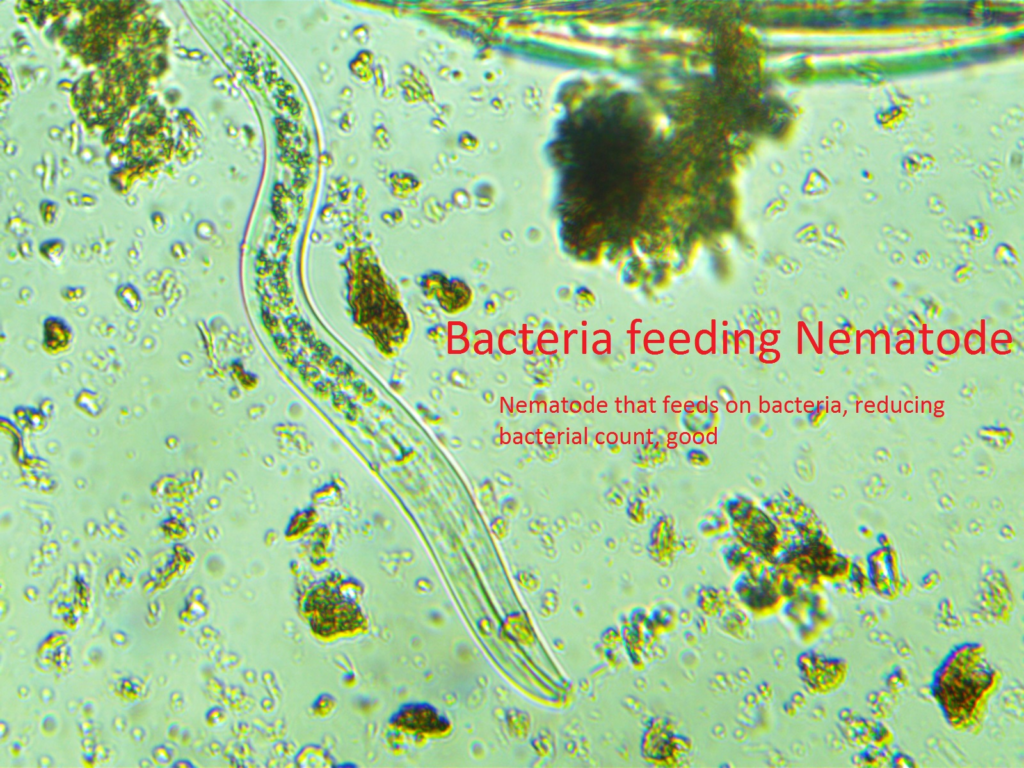
So why are we still buying and applying more nitrogen?
I’ll explain that in the next blog.
For now, ask yourself one simple question:
Is doing the same thing over and over — expecting a different result — the definition of…?
You already know the answer.
If you’re ready for greater well-being, true resilience, and a lawn or garden that partners with nature instead of fighting it, we’re here.
We don’t push 1840 solutions.
We work with nature, observe, measure, and stay on the cutting edge — while keeping it simply simpler.
DM me or visit stangls.com and let’s talk about what your soil is actually trying to tell you this spring.
Rooted in real health,
Unlocking Soil Wealth
Michael Stangl
Stangl’s Enviro Lawn Care
stangls.com