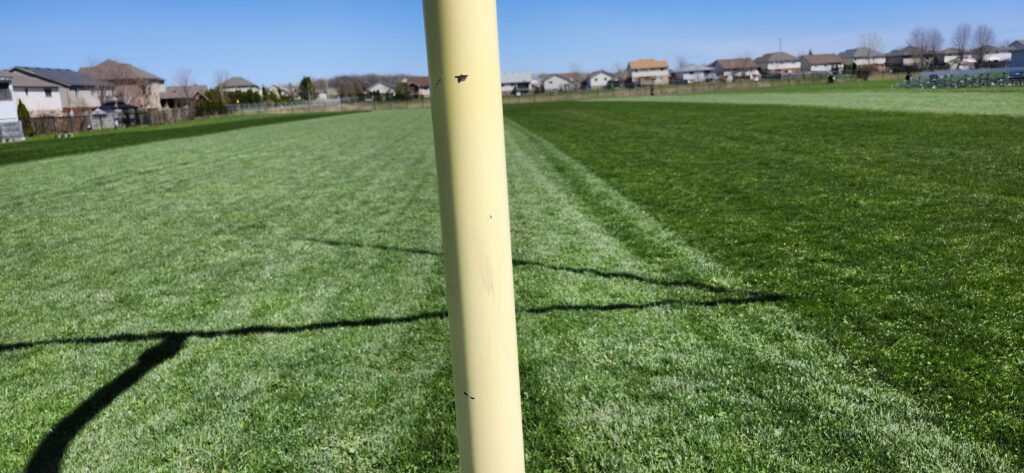
Hey folks, Michael Stangl here from Stangl’s Enviro Lawn Care in St. Catharines, Ontario. With over 45 years in the lawn care game, I’ve seen it all—from the highs of lush, resilient yards to the lows of chemical dependencies that do more harm than good. Today, I’m diving into a topic that’s close to my heart: the real battles happening in our lawns. This post exposes the hidden costs of conventional approaches and shines a light on the regenerative path forward. Let’s get into it.
Wake up to that “perfect” lawn—the fast-growing, emerald-green carpet that bursts forth in spring. It might look like a win, but often it’s a chemical-fueled illusion that’s quietly undermining your soil, turning it into compacted, lifeless dirt. It’s driving up water bills, seeping toxins into groundwater, and even posing risks to your family’s health across generations. Neighbors wave, sprinklers hum away, but beneath the surface, a bigger issue brews. If you’re still investing in NPK fertilizers, synthetic sprays, and ongoing inputs, it’s worth pausing to reconsider—because those grass clippings tell a deeper story. At Stangl’s, we’re pulling back the veil on Turf Wars, where big manufacturers and traditional lawn care providers profit from product dependency. The good news? Regenerative solutions are gaining ground, with nature’s microbes leading the charge to reclaim what’s yours.
The Manipulation Machine: How They Hook You
For years, the lawn care industry has sold us the vision of a flawless, weed-free golf-course lawn through “science in a bag”—those NPK fertilizers promising quick perfection. Spring promotions flood in: 50% off the first application, free apps, discount deals, all suggesting that more inputs equal better results. It’s no accident; it’s a page from Edward Bernays’ playbook. As Sigmund Freud’s nephew and the pioneer of modern public relations, Bernays excelled at linking products to our core desires and fears—like the dread of a dandelion disrupting your curb appeal.
Today, companies position their salt-heavy fertilizers and sprays as essential heroes against yard woes. But in reality, it’s often a “Mor-on Approach”—layering on more salts, more treatments, more fixes to address problems they help create. It’s not true mastery; it’s a cycle of dependency that keeps the cash flowing, while your lawn pays the price.
The Ugly Truth: Your Lawn’s Summer Nightmare
Think back to last summer: those stubborn brown patches spreading despite constant watering that added hundreds to your bills. The root cause? Compaction from those salts, solidifying your soil like concrete, where roots stay shallow and struggle for essentials. Insects move in, diseases take hold, drought hits hard—and the recommended fix? More chemicals, padding the industry’s pockets.
Many homeowners don’t pinpoint NPK as the issue—it’s marketed as pro-level care. But science tells a different story: Long-term applications lead to compaction, blocking water and oxygen, and building toxicity. Studies on soil acidification show calcium loss at rates of 315–500 lbs/acre/year in areas like Southern Ontario, creating aluminum-heavy zones that stunt roots and invite pests. That vibrant “green” becomes brittle, reliant, and prone to failure.
The Science They Hide: Destruction Below the Surface
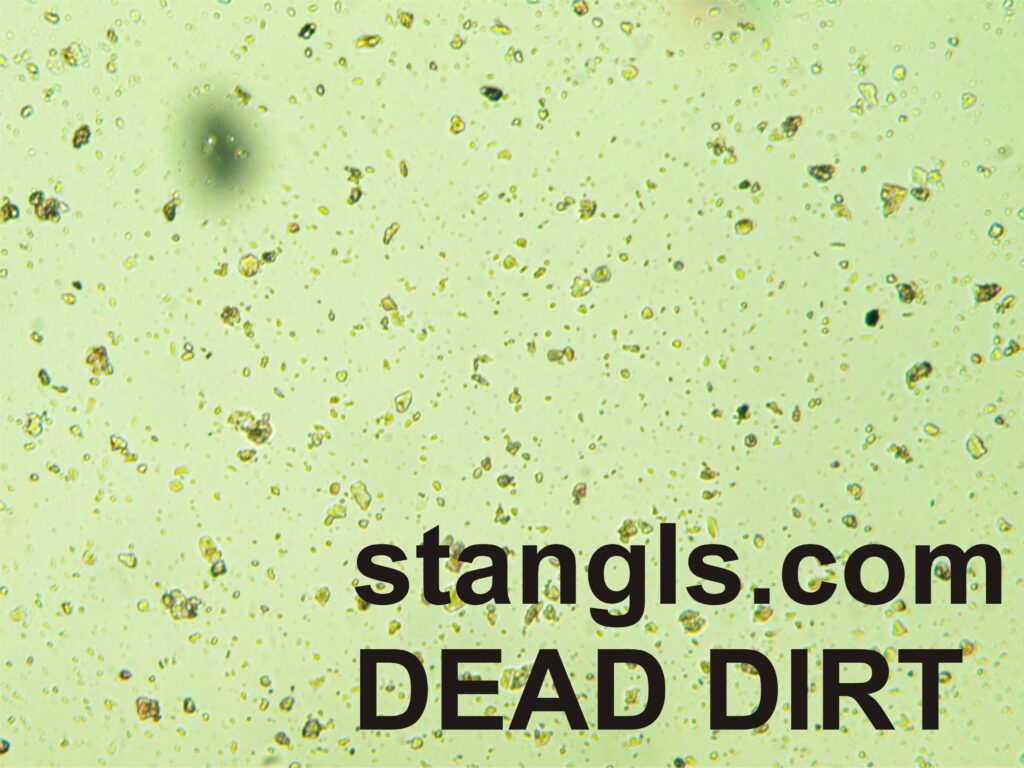
Here’s the unvarnished truth: Chemical inputs wage war on your soil’s essential microbes—the ones that naturally supply nutrients to plants. Compaction and salts foster a bacterial-heavy imbalance, far from the fungal-rich, living soil that nature intends. Toxins like acids, vinegars, and formaldehyde wipe out beneficial organisms, as mineral data sheets reveal: reactive clays break down, releasing harmful metals like aluminum at over 300 ppm, poisoning the underground ecosystem.
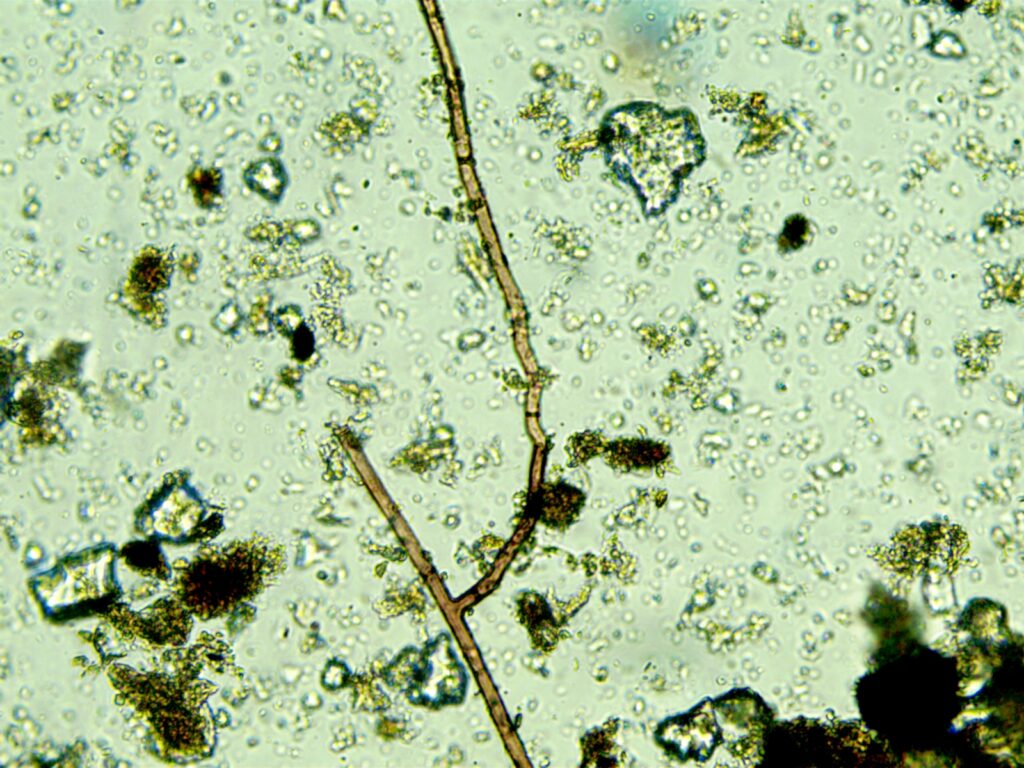
As outlined in resources like “The Importance of Soil Microbes in Carbon Sequestration and Long-term Soil Accrual” from Chico State’s Center for Regenerative Agriculture and Resilient Systems, these microbes break down organic matter, create stable structures with fungal glomalin, and form lasting microbial-derived organic matter (MDOM)—with fungal remnants key to carbon storage. Conventional methods disrupt this, favoring bacteria and weakening soil health overall.
Weeds aren’t villains; they’re nature’s janitors, addressing your soil’s issues—from old compaction to builder oversights. Dandelions signal low calcium; thistles point to acidity. The rhizophagy cycle—where plants cultivate microbes for food—is shattered by these products. And academia? It’s often stuck in the past, lacking real-world application. My son recently graduated, and we’d think twice about it now—professors teach outdated chemistry without grasping microbial ratios. It’s a tough pill, but one echoed by many alumni.
The Real Cost: Your Health, Legacy, and Planet
Would you add those fertilizers to your coffee or spray them on your veggies? Of course not. So why cover our lawns and farms with them? Rising cancers and illnesses link back to these chemicals, which don’t disappear—they affect epigenetics, passing on vulnerabilities to future generations. My early days in chemical lawn care starting in 1981 took a toll on my health; I won’t let that define my legacy.
It’s a broader crisis: Runoff pollutes waterways, air, and ecosystems, hurting pollinators and circling back to us. Even untouched dirt lawns contribute to flooding and contamination spread. As the Coon Creek Watershed District notes, stormwater is our top water polluter, carrying pesticides, fertilizers, oils, metals, salts, bacteria, and more from hard surfaces like roads and roofs.
Turf Wars pits chemical sellers, PFAS-contaminated artificial turf (with its environmental and health drawbacks), and greenwashed “eco” products (often just rebranded toxins) against genuine solutions. Success for them is profits and surface looks, ignoring microscopic realities like fungal-to-bacterial ratios or microbial biomass.
The Only Real Solution: Stangl’s Regenerative Revolution
While others push short-term fixes that falter over time, at Stangl’s, we’ve been leading the charge since ditching chemicals in 2015. We turn depleted dirt into vibrant, living soil with proven methods that deliver lasting results.
- Nature’s Brew: Sparks microbial activity, building ecosystems that resist drought and recover swiftly—minimal to no more summer scorch(water is still required, but up to 40% less).
- Pelletized Ultimate Compost: An affordable balancer, converting compacted ground into moisture-retaining haven.
- SR Carbonatite: A deep remineralizer, boosting defenses against insects and diseases year-round.
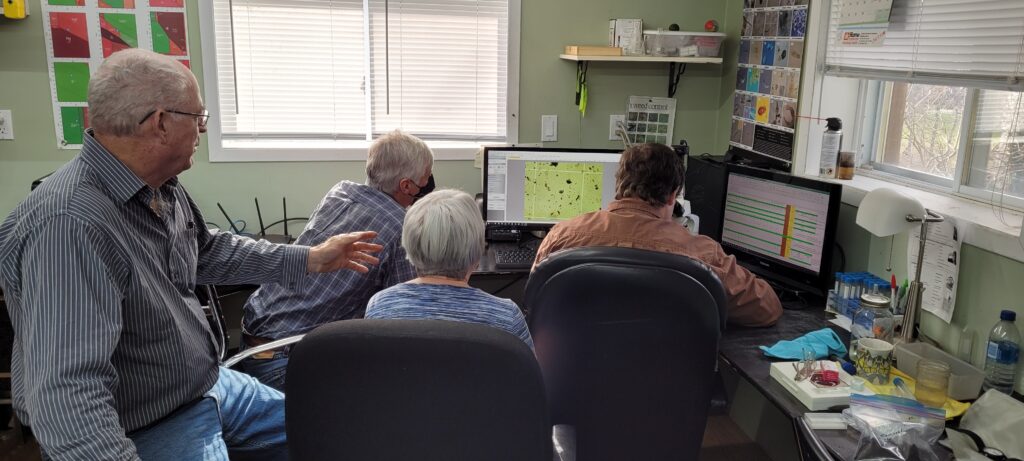
We assess twice a season under the microscope—not just visually—tracking true health. Last year: Next to no insects or diseases, rapid drought bounce-back, thriving lawns with less water. Neighbors faced bills and brownouts; ours stayed strong. It’s real expertise: Just like gut health, nourish soil life properly, and everything thrives.
As covered in “The Impact of Safe Lawn Treatments on Soil Quality and Plant Growth,” regenerative methods improve nutrient uptake, root growth, and ecosystem strength for sustainable, healthy lawns without the downsides.
Join the Winners—or Stay Stuck
Let’s be straightforward: If you’re committed to the “Mor-on Approach” with its upsells and excuses, that’s your path. But if you’re ready to break free and embrace real change, join us in aligning with nature. Skip the gimmicks; build a legacy of health for your family, community, and the earth. Visit stangls.com today—your lawn, well-being, and planet depend on it. This truth runs deep: What legacy will you grow? Check out more on our blog at https://www.stangls.com/blog/