
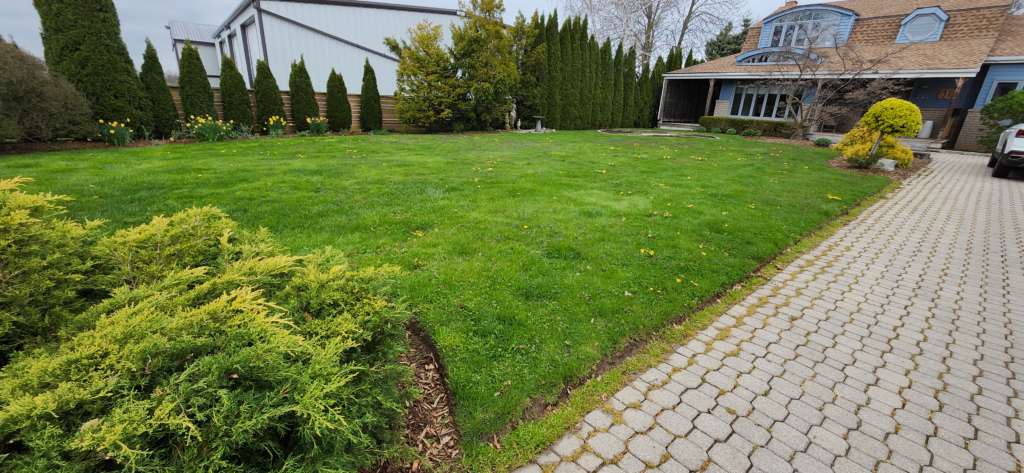
In regenerative lawn care, success isn’t measured by a quick green-up or a weed-free summer—it’s a marathon, not a sprint. I’ve been in this for 45 years at Stangl’s Enviro Lawn Care, and I’ve seen too many customers start with excitement, only to bail early because of unrealistic expectations, poor communication, or lack of commitment. They think they know what a “healthy lawn” looks like (the chemical industry’s fake “perfect” green), but they don’t. Let’s talk about a real case from 2025—a customer who started strong but quit after one season—and why that’s a mistake. (Names changed for privacy, but the story is true.)
The Story: A Promising Start, But Short on Follow-Through
On April 29, 2025, Sharron called about her parents’ former home—a 5,500 sq ft property with a history of DIY fertilizer. Her mom had been a farmer with gardens, so she appreciated our pet-friendly, regenerative approach. We explained the 7-app process, spring/fall PUC Pelletized Ultimate Compost, and that it builds soil health over time—no quick chemical fixes. She liked the idea and signed on.
Our first app on May 2 noted creeping Charlie, dandelions, violets, ajuga—classic signs of sticky, compacted dirt (high magnesium, low calcium). We advised mowing no shorter than 3 inches (to let grass compete with weeds and build deeper roots) and leaving clippings on. Austin’s initial soil sample on May 2 showed a fungal-to-bacterial ratio of 0.32- needs building of structure.
Through the summer, we applied Nature’s Brew monthly. Observations showed steady progress:
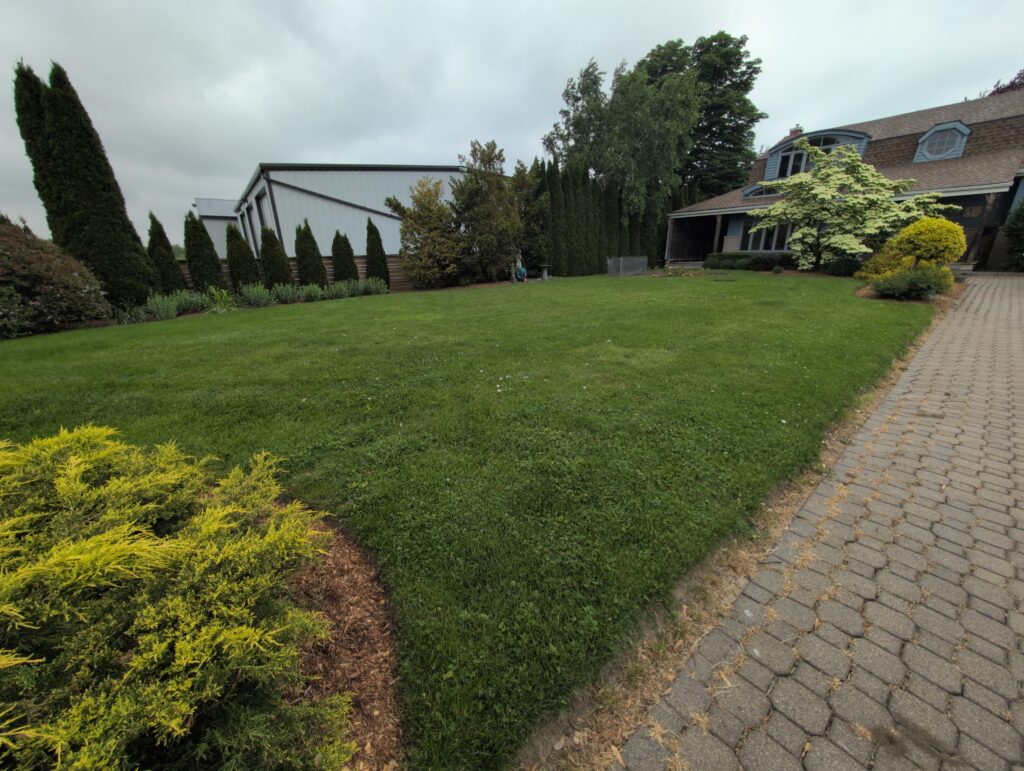
- June 9: Good green color, consistent thickness—keep mowing 3+ inches.
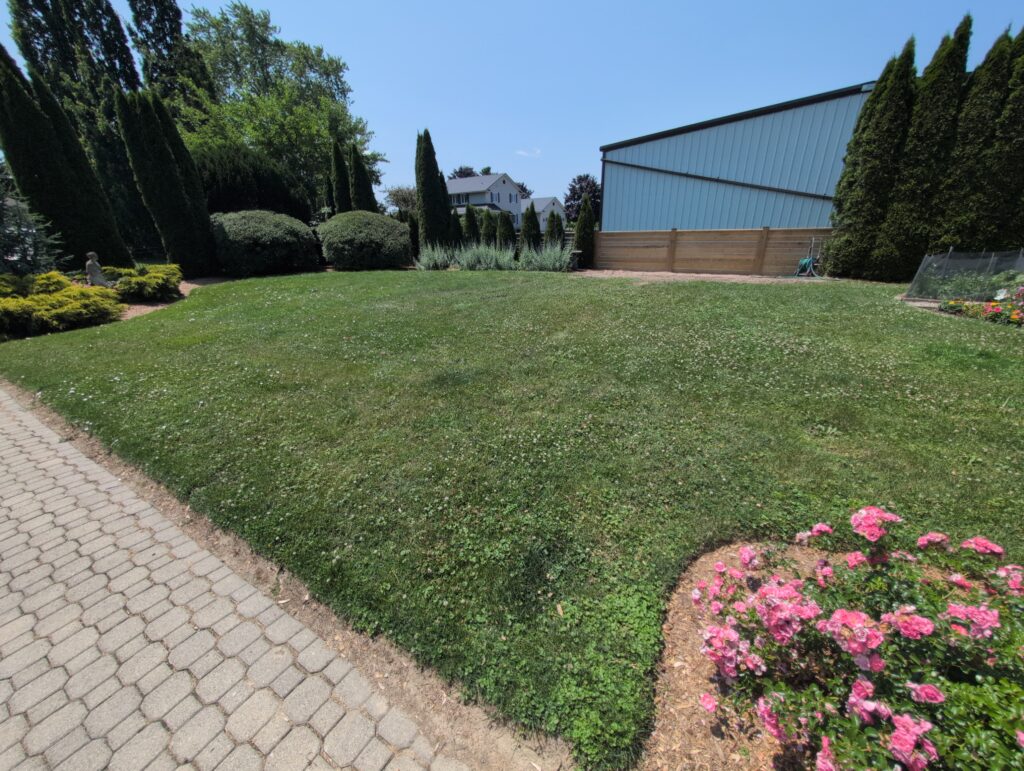
- July 2: Holding up well in early heat, some dry spots—mow 3+ inches.
- August 12: Heat stress in spots (relentless dry summer) needs water—mow 3+ inches, even on edges.
- August 27: Still some stress—raise to 4 inches through October.
- September 2: Bouncing back with weather changes—overseed and add PUC for fall pop.
- September 24: PUC applied—lawn looking ok, this will kick soil life with water.
- October 6: Last app—lawn needs water, rain will boost soil.
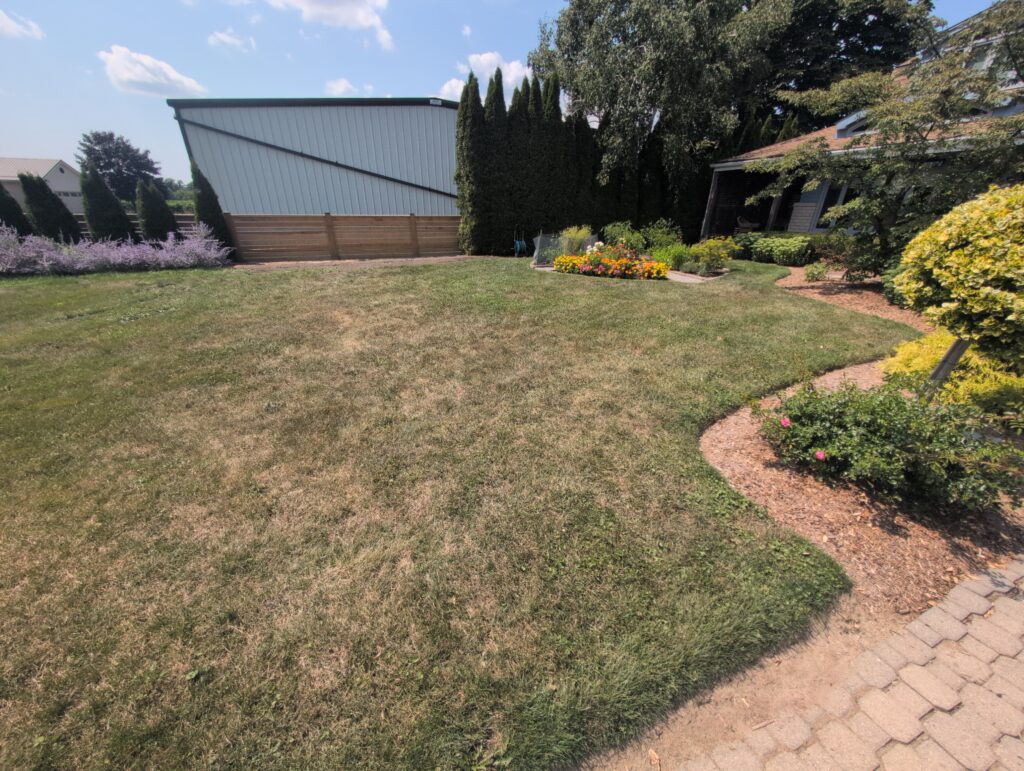
We communicated consistently—voicemails, emails, notes. Austin’s feedback always reinforced: mow high, water deeply (1–2 inches/week), let nature work. But they didn’t water enough and cut short—classic issues that slow regen. Homeowners often skip watering because it’s expensive and time-consuming, especially toward fall when they think “no need.” They want it green for summer and depend on 100% nature—when it’s dry, it’s dry.
On January 15, 2026, Sharron canceled: “After experiencing the service last year, I’ve decided to discontinue. It’s not the right fit for us.”
Unrealistic Expectations: The Quick-Fix Mindset
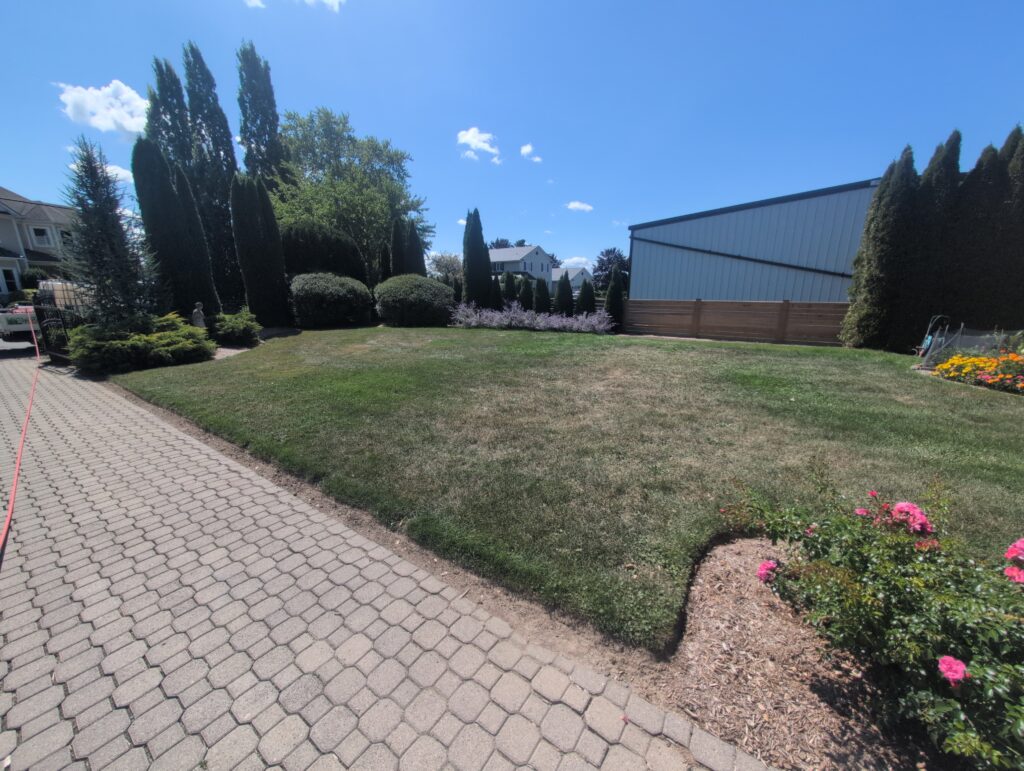
Sharron may have thought one season would deliver “perfect” results—like the chemical green-up she knew from DIY fertilizers. But regenerative isn’t a silver bullet, nor a magic wand. It builds living soil—microbes, structure, resilience—over time. One year/12 months lays the foundation: improving infiltration, better nutrient cycling, succession of weeds. You will see results within the first year, but full transformation takes at least 36 to 60 months. Why? Soil recovery(legacy issues) from decades of compaction and chemicals isn’t instant. They think they know (visual green = success), but they don’t (soil life is the key).
Lack of Communication & Commitment: The Missing Piece
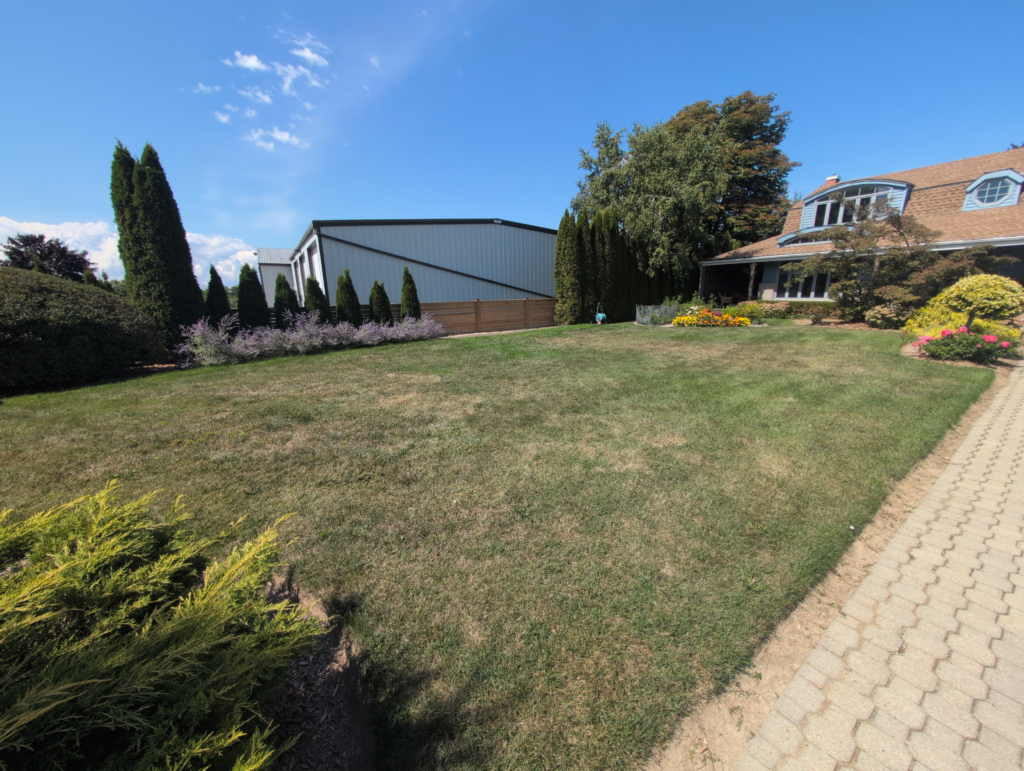
We explained the process upfront—no surprises. We reminded them repeatedly: water, mow high. But without follow-through, progress slows. They didn’t commit to the basics, so they didn’t see the full potential. Communication is two-way—if they had questions or issues, we were a call away. Lack of commitment turns a long-game winner into a perceived “not right fit.”
The Long Game: What One Year Still Achieves
Even after cancellation, our work keeps paying off. The May–October applications and PUC built microbial diversity (fungal ratio from 0.32 to 0.603 for stronger over winter growth). Over this winter and into 2026, that biology will continue: better water-holding, deeper roots, fewer weeds. It’s not gone—it’s working underground. That’s the beauty of regen: one year’s investment compounds for years, even if you stop. It would have been far worse with fertilizer and spray programs—more grubs, brown spots, disease, and constant costs. And they don’t know how much healthier we (the applicators), the environment, wildlife, and they are without chemicals.
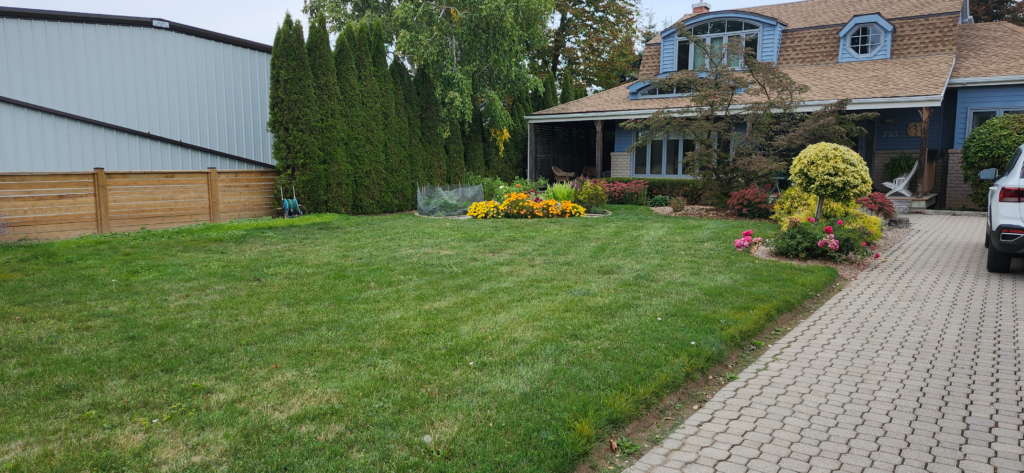
They truly don’t know—they think they do, based on conventional “norms.” But “norms” like grubs, brown spots, and constant spraying aren’t normal—they’re symptoms of dead dirt.
The Lesson: Commit to the Process
Regenerative is the long game—36 months minimum for peak health. If you want quick green, chemicals deliver (with hidden costs). If you want resilient, thriving soil that saves water, cuts pests, and lasts—commit. Lest we forget what we are doing for the health of all. We measure everything (fungal ratios, compaction, Brix) to prove progress, not guess.
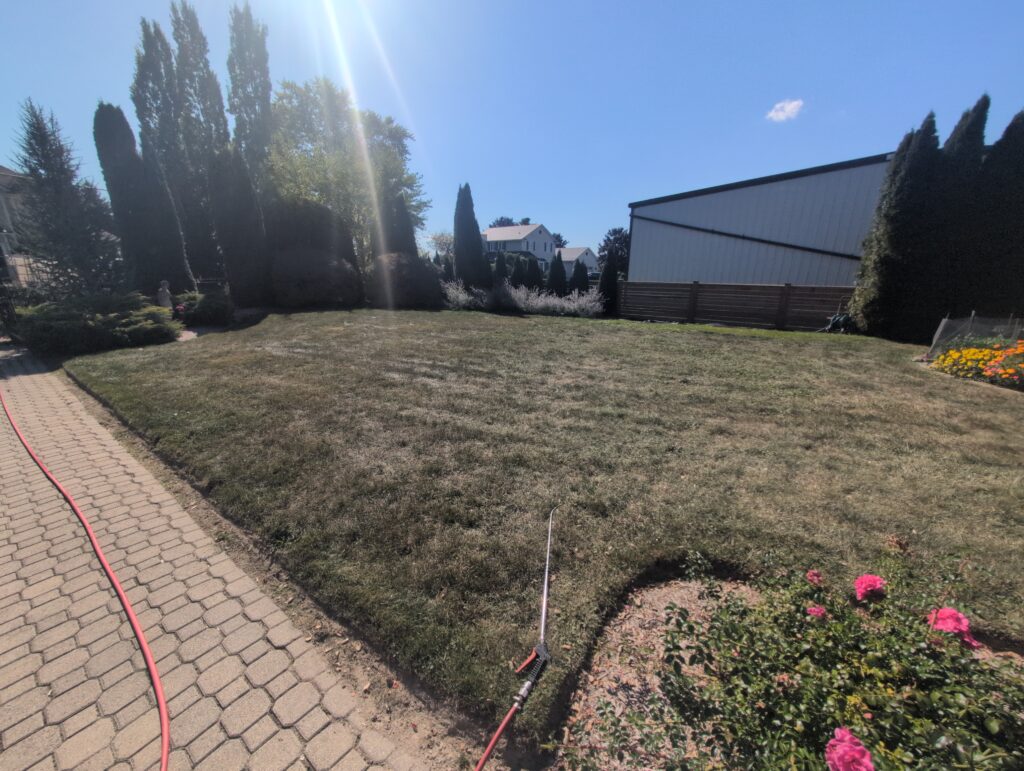
Your lawn deserves better.
Ready for the real fit?
Call (905) 641-8133.
Michael Stangl
Stangl’s Enviro Lawn Care
#AwakenSoil #Stangls #Niagara #RegenerativeLawn #EcoSafe