
Hey folks, Michael Stangl here from Stangl’s Enviro Lawn Care in St. Catharines, Ontario. We’ve all got janitors in our lives—those quiet heroes who show up after hours, mop up the spills, scrub the grime, and make everything shine again without fanfare. They’re often behind the scenes, working at odd times when no one’s watching, and rarely get the recognition they deserve. Without them, messes pile up, spaces fall apart, and chaos takes over. Now, apply that to your lawn: Weeds are nature’s janitors. They’re not villains crashing the party—they’re the cleanup crew, quietly fixing what’s broken underground. They mop up excess minerals, absorb toxins, break up compaction, and handle issues like excess rain or ponding water. They’re always there to help, proliferating to get the job done, then clocking out once the soil’s back in balance. Today, let’s unlock the secrets of these unsung heroes, explain what they’re really doing, and share a handy chart to read their “work orders.” It’s all about seeing weeds as plant diversity successional plants—a natural business plan showing exactly where your soil’s at in its healing journey.
The Janitor’s Role: Behind-the-Scenes Heroes We Take for Granted
Think about a school or office janitor: They arrive early or stay late, tackling the messes we leave behind—spilled coffee, tracked-in dirt, overflowing bins. They’re not flashy; they’re essential. We might spot them in the hallway and give a nod, but their real work happens out of sight, preventing bigger problems like slippery floors or pest infestations. Without proper credit or support, they burn out, and the place suffers.
Weeds operate the same way. They’re nature’s maintenance team, showing up uninvited but always on time to address soil chaos. We often hate them because they disrupt our “perfect” lawn vision, but that’s ego talking—edging green out, as I like to say. In reality, they deserve a raise for their tireless service:
– Mopping Up Excess Minerals: Weeds like dandelions or chickweed soak up imbalances (e.g., too much potassium or nitrogen) that conventional fertilizers leave behind, preventing toxicity buildup.
– Absorbing Toxins: Many accumulate heavy metals or residues from spills (think builder drips or old sprays), detoxing the soil so healthier plants can thrive.
– Breaking Up Compaction: Deep-rooted types punch through hardpan, aerating like a crowbar to let air and water flow.
– Fixing Excess Rain or Ponding Water: In soggy spots, they act as sponges. Take Creeping Charlie (ground ivy, part of the mint family): It spreads surface roots to absorb excess moisture from spring rains or overwatering, but more importantly, those roots crack open the top layer for atmosphere to seep in. This shifts the biome from anaerobic (oxygen-poor, slimy) to aerobic (life-friendly). Oxygen is paramagnetic too—it attracts and holds nutrients/minerals, kickstarting succession to the next plant stage.
These janitors proliferate aggressively to cover the job site—spreading seeds, roots, or runners until the task is complete. Then, they die off naturally, leaving behind a legacy: debris that becomes carbon-rich mulch, avenues and roads for water, air, microbes, and worms to travel. This creates structure—organic matter that houses microbes, holds water like a sponge, retains minerals, and builds fertility. It’s succession in action: Once their shift ends, the soil’s ready for the next “employees”—grasses or perennials that couldn’t survive the original mess.
The Dandelion Janitor: A Classic Example
Let’s spotlight the dandelion, everyone’s “favorite” weed. This guy’s a superstar janitor, showing up in compacted, low-calcium soils starved of biology. Its deep taproot drills like a divining rod, pulling up calcium and other nutrients from depths grass can’t reach. It mops up excess potassium near the surface (often from moisture imbalances) and aerates as it goes. Those bright yellow flowers? Pollinator magnets, feeding bees early in spring while the plant works overtime. When it dies—boom—carbon explosion: The root rots into channels for rain and air, debris feeds worms and microbes, creating a trove of new biology. It’s not invading; it’s investigating and repairing. Proliferate? Absolutely—dandelions puff seeds everywhere to ensure coverage. But once the soil breathes again, they clock out, making way for succession.
All weeds follow this playbook: They’re plant diversity successional plants, stepping in at the right stage to push the ecosystem forward. Like a business plan, they reveal your soil’s status—compacted? Low minerals? Wet? They’re the roadmap, always helping, never harming.
The Janitor Chart: What Each Weed Is Fixing
To make it practical, here’s a quick chart of common “janitors.” We’ve cross-checked these against soil science sources for accuracy. It shows the type, Weed You See – What It’s Telling You (Soil Imbalance) – Janitor’s Job (What It’s Doing) – Constructive Fix (Help Them Clock Out)

Dandelion, Plantain: Compaction, low calcium, low active biology – Drilling deep to aerate and pull up calcium; absorbing excess potassium; mopping up minerals – Topdress compost, add calcium (gypsum/lime), feed microbes with kelp/molasses, add extracts/biology/LAB serum
Crabgrass, Spurge: Bare soil, low organic matter, hot & dry conditions – Shading to prevent baking; protecting exposed areas; absorbing surface toxins – Maintain living roots year-round; mulch with clippings/cover crops, add extracts/biology/LAB serum
Clover: Low nitrogen (it’s making its own via nodules) – Fixing nitrogen naturally; improving fertility in compacted/wet spots – Let it stay as free fertilizer; overseed microclover for low-maintenance boost, add extracts/biology/LAB serum
Dock, Thistle, Nettle: Anaerobic conditions, excess aluminum, low silica – Aerating clay; balancing minerals; absorbing toxins in oxygen-poor zones – Aerobic compost; add silica (wollastonite/rock dust); improve drainage, add extracts/biology/LAB serum
Buttercup, Rushes: Waterlogged, acidic, low oxygen – Absorbing excess moisture; indicating ponding issues – Enhance drainage (swales/raised beds); raise pH with lime; add extracts/biology/LAB serum
Moss: Acidic, compacted, shaded, low fertility – Covering shady, nutrient-poor areas; holding moisture in compacted spots – Lime for acidity; compost for fertility; prune for sunlight; diversify plants, add extracts/biology/LAB serum
Chickweed, Speedwell: High nitrogen but dead biology (from synthetics) – Thriving in over-irrigated clay; signaling excess N imbalances – Ditch synthetics; add carbon (compost/clippings) to revive microbes, add extracts/biology/LAB serum
Gorse, Blackberry, Broom: Very low calcium, low silica, reverting forest soil – Accumulating in acidic, nitrogen-poor sands; breaking compaction long-term – Massive calcium/silica amendments; mob grazing to cycle nutrients, add extracts/biology/LAB serum
These janitors are always helping—proliferating to cover the workload, dying off to leave resources, paving the way for succession. Once their job’s done, they clock out, and the next plants (like strong grasses) take over.
Edging Green Back In
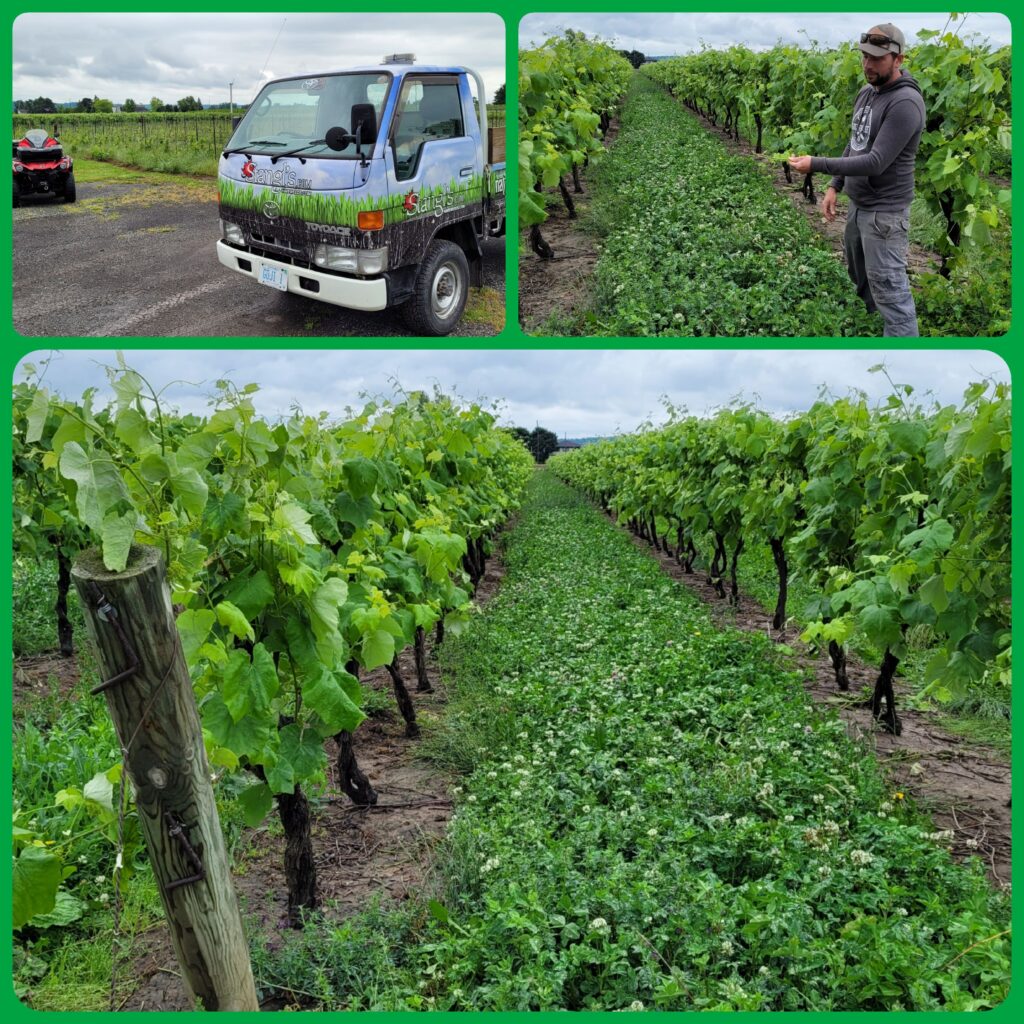
Unlocking the janitor secret shifts everything: Weeds aren’t enemies; they’re partners in regeneration. By supporting them with Nature’s Brew (our safe, biology-boosting blend), we let nature do the heavy lifting. No more edging green out—let’s edge it back in.
Ready to recognize your lawn’s janitors and give them the support they deserve?
Give me a call. We’ll decode your yard’s secrets together.
Thanks,
Michael Stangl
Acting local, impacting globally!
Stangl’s Enviro Lawn Care
1379 President Court
St. Catharines, ON L2R 6P9
905-641-8133
stangls.com
twitter.com/StanglsEnviro
facebook.com/stangls