
The Ego Trophy: “My Lawn, My Castle”
For many homeowners, the lawn is an extension of their identity—a visible badge of success and control. It’s not just dirt and grass; it’s a statement: “Look how pristine my life is.” Studies on consumer behavior in home aesthetics show that people invest heavily in curb appeal because it boosts self-esteem and social standing. This ego-driven approach means they’re quick to chase that instant, golf-course glow with chemicals, ignoring the long game. The problem? When the weeds creep back or the grass thins, it feels like a personal failure. No one wants to admit their “trophy” is built on shaky, chemical-dependent ground after years of the same routine.
Peer Pressure: The Silent Push to Conform
Then there’s the neighborhood echo chamber. “Everyone’s doing it, so it must be right.” Peer pressure plays huge here—subtle glances at the Joneses’ flawless yard, HOA rules, or just the fear of standing out as the “weird” one with dandelions. Some customers are easy pushovers, quietly complying even if they question the endless sprays deep down. Others treat conventional lawn care like a religion: “This is how it’s always been done, and it works… mostly.” Behavioral psychology research highlights how social norms lock people into habits, making change feel like betrayal of the group. It’s why they stick with the spray-and-pray method, despite silent doubts about runoff or that nagging “what if” about health.
The Reluctance to Change: “I’ve Done This for Years—It Can’t Be Wrong”
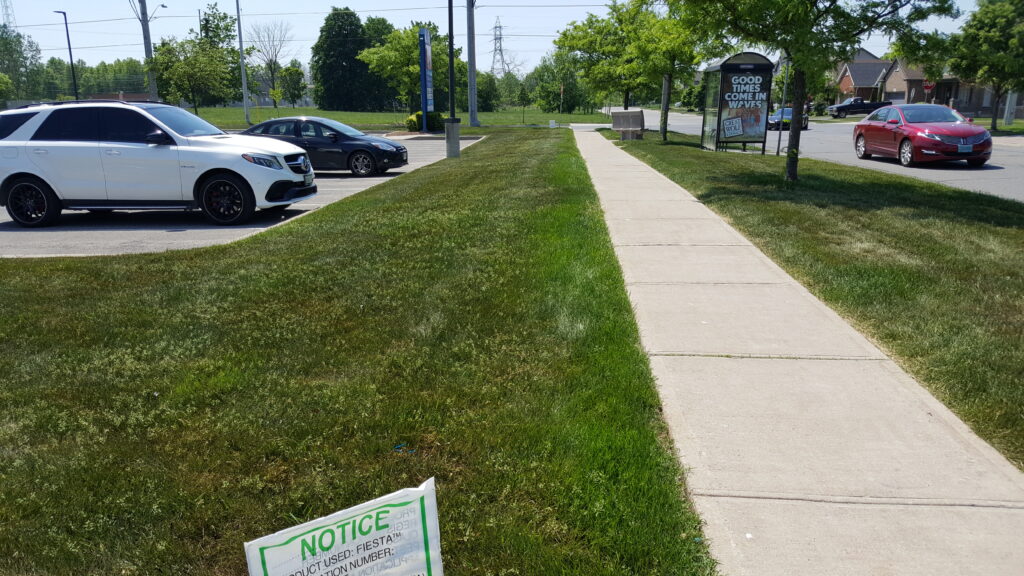
Admitting a shift after decades? That’s a tough pill. Cognitive dissonance kicks in—no one likes being proven wrong, especially when they’ve poured time and money into it. They rationalize: “My lawn looks fine most of the time,” ignoring the cycle of dependency. But here’s where we flip the script gently: It’s not about being wrong; it’s about evolving with better science. From 1840s fertilizer dogma to 2026 regenerative insights, knowledge grows. We don’t shame; we educate, showing how letting weeds do their job leads to a self-sustaining lawn that’s truly low-maintenance.
The Cumulative Impacts: Ripples They Hate to Face
Deep down, many hate thinking about the long-term fallout. Every application ripples out: chemicals leach into groundwater, streams, and beyond, building up over years. It’s not just environmental—it’s personal. Pesticides from lawns have been linked to health issues like respiratory problems or hormone disruption, with residues tracking indoors on shoes and paws. The ego shields them from this: “It’s just my yard; how bad can it be?” But cumulatively, across neighborhoods, it’s a big deal—polluting local ecosystems and contributing to broader issues like bee die-offs or water quality.
Epigenetics: The Generational Twist They Don’t Know (But Their Kids Might Pay For)
This is the eye-opener most haven’t heard: Epigenetics—how environmental exposures can alter gene expression without changing DNA itself, and these changes can pass to kids, grandkids and so on.
Lawn pesticides (like those in common herbicides and insecticides) have been tied to epigenetic shifts, potentially increasing risks for childhood cancers, neurodevelopmental issues, or even intergenerational diseases.
For example, exposure to endocrine disruptors in pesticides can “switch” genes linked to metabolism or immunity, affecting offspring even if they never touch the stuff.
Parents might not connect the dots yet, but emerging research shows household pesticide use correlates with these hidden legacies.
It’s not fear-mongering; it’s science urging a rethink for the next generation.
How Stangl’s Breaks the Cycle
At Stangl’s Enviro Lawn Care, we get this mindset— we’ve seen it for 45 years. We don’t fight ego; we appeal to it. Imagine a lawn that’s not just green but resilient, low-effort, and truly yours— no more chasing perfection with poisons. We wake the soil with Nature’s Brew (finger-lick safe, no synthetics), letting janitors finish their fixes. No peer pressure needed; your yard becomes the envy for being smart, not sprayed. Ready to evolve? Let’s chat—no judgment, just results.