
Hey folks, Michael Stangl here from Stangl’s Enviro Lawn Care in St. Catharines, Ontario. Over 45 years, I’ve traced the frustrations of dying lawns back to deep-rooted legacy issues—how we’ve turned vibrant, living soil into compacted dirt, all while treating it like an afterthought. Soils are as dynamic and mysterious as our oceans and space; science shows we know shockingly little about all three (e.g., ~90% of ocean floors unmapped, space’s dark matter/energy 95% unknown, soil microbes 99% unidentified per recent microbiology studies). Yet we walk unconsciously on this living web, led astray by manufacturers peddling war-born products as “solutions.” If you’re battling brown patches or endless inputs, let’s unpack how we got here—and why shifting to regenerative balance is your path to healthier living, for you and generations ahead. Frustration signals imbalance; use it to school up, as Ewan Campbell says—evolve from ego-driven paradigms to nature’s harmony.
It starts with legacy: Post-WWII, spent ammunitions piled up, and plants exploded around them—revealing nitrogen’s growth force, born from explosives tech (Haber-Bosch process, originally for bombs). Herbicides? Straight from war defoliants like Agent Orange, now “plant killers” for weeds. Even Roundup’s glyphosate? Patented ’60s as a pipe cleaner and biocide, repurposed for farms—now doused on over 90% of US corn/soy fields, under fruit trees, along grape vines, and more, per EPA data. These weren’t designed for life; they force visuals (quick green) while killing soil biology, driving systems backward. Manufacturers sell the narrative: “Feed your lawn” with NPK specials, but it’s unrealistic—masking compaction, inviting pests/diseases, and rippling harm beyond borders.
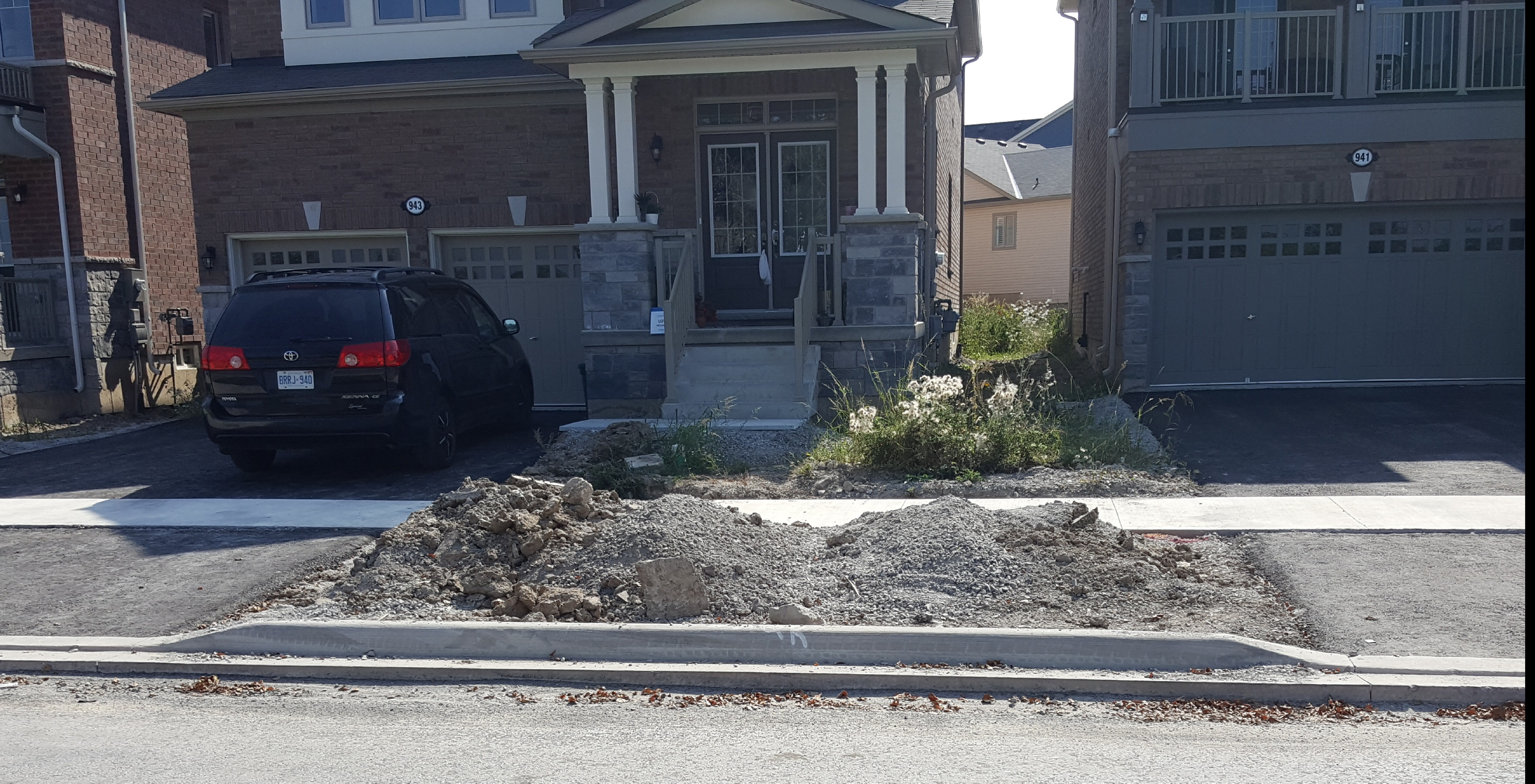
Enter homebuilders: They know how to build structures, but “know dirt about soil.” Subdivisions carve legacy forests/farms into lots, compacting with heavy machinery—leaving dead, bacterial-dominated dirt that blocks air/water, starves roots, and floods neighborhoods. Their simplistic fix? NPK and sprays, company-applied or off-shelf, chasing trophy lawns for curb appeal. Ego-driven: Online “pros” (often ego-fueled amateurs) preach it as biblical, feeding off neighborhood envy or net virtue-signaling. But it’s insanity—repeating the same for worsening results, as Ewan notes. Visuals fool us: Green looks “working,” but beneath? Soil life decimated, frequencies disrupted (more on that next).
My story? Started at 16 in 1981, slinging fertilizers/sprays—it sold easy, anyone could. Late ’80s, impacts hit: Dizziness, headaches, dilated pupils from daily exposure; summers swarmed with grubs, chinch bugs, sod webworms, cutworms, weevils, billbugs, diseases like summer patch/blights. I ate/breathed/swam in it, unknowingly passing epigenetic vulnerabilities to my kids and theirs (studies link chemical exposures to DNA changes across generations). Frustration built—why more issues despite “fixes”? Always learning, I pivoted gradually, going 100% regenerative/chemical-free in 2015. Transitions aren’t instant: First year might see pests/diseases linger, weeds worsen before bettering as soil rebalances. But patience pays—now, next to none; Nature’s Brew tunes microbes yearly, no sprays needed, building structure/OM/carbon.
To shift: Embrace healthier living in nature’s balance—your indication of what works. Start assessing: Frustrated by unrealistic expectations? Use it as a signal—question paradigms, recognize unseen ROI (faster drought recovery, less watering, no extras). Our tools harmonize: Nature’s Brew sparks biology; Pelletized Compost restores OM; SRC remineralizes for resilience. It’s planet-friendly, no ripples of harm. Humility over hubris: We don’t know soil’s full mysteries, but forcing it backward isn’t the way.
Frustration got you out of center? What if tuning soil’s frequencies unlocks true vitality? Next: Beyond Chemistry—We’re All Frequency, from War Ripples to Biodynamic Balance. School up at stangls.com; dive deeper at https://www.stangls.com/blog/. What’s your legacy frustration? Share—let’s evolve.